Why Some Gummies Taste Bitter
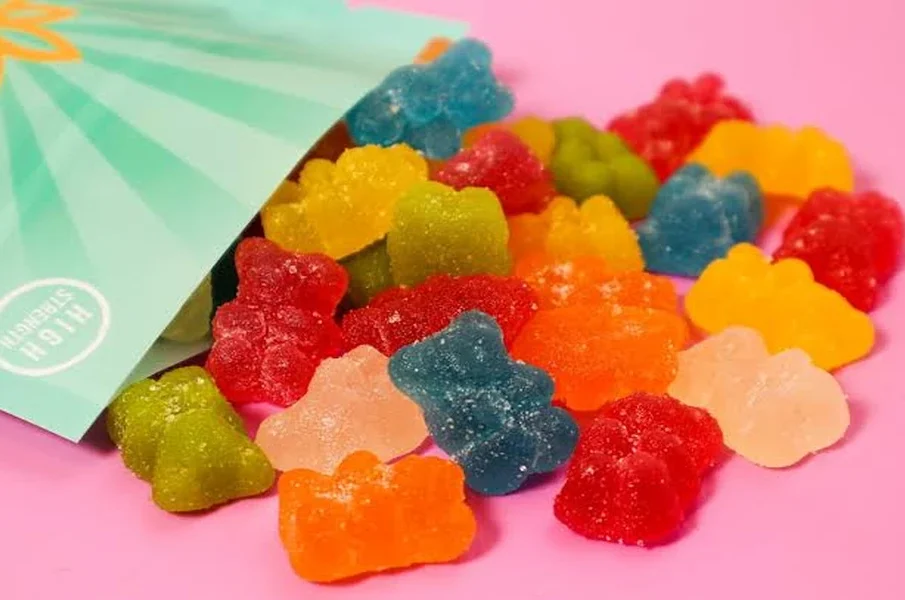
Some gummies taste fine. Others leave something sharp sitting at the back of the throat that water does not quite clear. People blame the brand or assume a bad batch. Neither explanation is usually correct. Bitterness usually comes from somewhere in the extract rather than from the flavouring sitting on top. Cannabis does not naturally taste sweet. Concentrated levels of several compounds produce bitterness, and extraction does not remove that. There is an intensification of it. There is more bitter-tasting material in the extract than in the plant itself. budpop.com/how-long-do-thc-gummies-last covers formulation specifics that connect directly to why gummy experiences vary between products, and bitterness is part of that variation rather than separate from it.
- Terpene density – Myrcene and beta-caryophyllene sit on the harsh side of the flavour spectrum. At low levels, they add character. At higher concentrations, they push through the added sweetener entirely. Dense terpene retention is not a defect in full-spectrum products. It just reads bitter to people who were not expecting it.
- Chlorophyll in the extract – An extract not cleaned thoroughly enough carries chlorophyll from the plant material into the finished gummy. Despite its green colour, chlorophyll tastes bitter and flat. Background flavours do not blend into it. Its presence indicates a refinement shortcut.
- Cannabinoid degradation – Cannabinoids exposed to heat, air, or light over time change in character. Degraded material tastes different from fresh extract. Milligrams remain the same on the label. Compared to the original compound, it produces a sharper, more acrid taste.
- Erythritol layering – Sugar-free gummies rely heavily on erythritol. It carries a mild bitter aftertaste that most people do not notice on its own. Combined with a bitter extract, the two notes stack rather than cancel. The result is more pronounced than either ingredient would produce independently.
- Acidic gummy base – The pH of the base interacts with cannabinoid compounds during production. A base running acidic pushes the finished flavour toward bitter, regardless of ingredient quality. It is a production chemistry variable that lands as a taste problem in the finished product.
What separates natural bitterness from a quality problem?
There is a real difference between the two. Full-spectrum gummies carrying a faint herbal or earthy note are doing exactly what their formulation intends. That flavour softens after a few seconds and reads like a plant. It is not pleasant to everyone, but it is not a warning sign either.
The bitterness pointing toward a genuine issue behaves differently. It does not soften. It sharpens after initial contact and stays present well past where natural terpene bitterness fades. It reads chemical rather than botanical. A gummy showing that kind of bitterness alongside inconsistent texture between pieces, uneven colour, or a smell that registers synthetic rather than herbal is signalling extract quality or production problems rather than natural plant variation.
Most people land on this distinction through exposure rather than explanation. Tasting across product types makes the difference obvious in a way that describing it does not fully achieve. Refinement level, terpene density, ingredient pairing, and extract storage conditions account for almost every bitter gummy someone is likely to encounter.