Key Takeaways
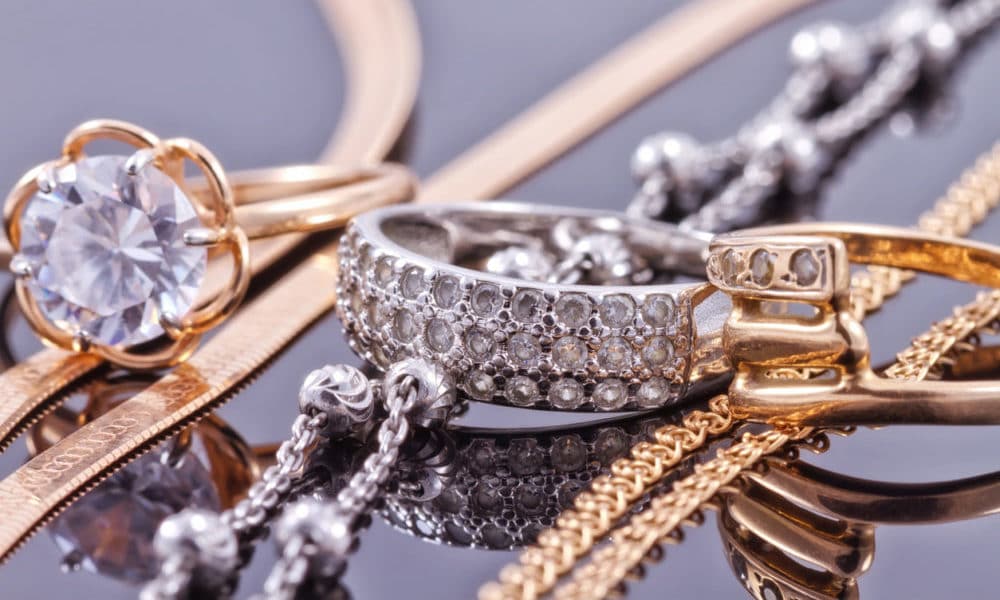
- Many items marketed as waterproof jewellery rely on coated stainless steel, while genuine silver jewellery tolerates water but reacts to chemicals such as chlorine.
- Tarnish on silver jewellery forms through natural oxidation and does not indicate poor quality, since polishing easily restores the shine.
- Plain water rarely damages silver jewellery, yet residue from soaps and shampoos gradually dulls its surface when worn in the shower.
Introduction
People searching for waterproof jewellery usually want accessories that stay comfortable during daily routines without constant removal. In Singapore’s humid climate, the phrase waterproof jewellery sometimes creates the impression that jewellery can withstand any environment without care. Silver jewellery, however, reacts naturally to air, minerals, and chemicals in ways that follow predictable chemical patterns. When expectations rely on marketing language rather than how metals behave, small changes in colour or texture can feel surprising. Understanding how waterproof jewellery differs from traditional silver jewellery helps clarify what everyday exposure actually does to precious metals.
1. Water Alone Does Not Destroy Silver Jewellery
A common belief suggests that silver jewellery becomes permanently damaged as soon as it touches water. In most everyday situations, this concern does not reflect how sterling silver behaves. Fresh water, such as rain or tap water, rarely harms silver jewellery during short contact because the metal remains chemically stable in these conditions.
Problems appear when the water contains substances that react with the alloy. Chlorinated pool water and salt from seawater introduce chemicals that encourage oxidation and surface dullness. When exposure occurs frequently, these reactions may leave darker areas on the metal. Removing jewellery before swimming reduces chemical exposure and allows silver jewellery to maintain a smoother finish during regular wear.
2. Waterproof Jewellery Does Not Mean Permanent Colour Stability
Marketing descriptions sometimes lead people to believe waterproof jewellery never changes colour. Many waterproof jewellery designs rely on stainless steel or coated alloys engineered to resist moisture and corrosion. These materials maintain their appearance in humid environments because the outer layer protects the metal beneath.
Silver jewellery behaves differently because it interacts with sulfur compounds that naturally exist in the air. When this reaction occurs, a darkened film called tarnish forms on the surface. Tarnish does not indicate damage to the metal itself. Gentle polishing removes the oxidised layer and restores brightness, which allows silver jewellery to remain wearable and attractive for many years.
3. Mineral-Rich Water Can Affect Silver Quickly
Travellers sometimes wear jewellery in natural hot springs or mineral baths without realising how these environments influence metals. These waters contain dissolved minerals, including sulfur compounds, that react quickly with silver jewellery. The reaction produces a dark layer on the metal’s surface within a short period of exposure.
Someone expecting waterproof jewellery to resist every environment may find this change surprising. The reaction reflects the natural chemistry between silver and sulfur rather than a flaw in the jewellery itself. Cleaning can remove the tarnish, yet avoiding prolonged exposure to mineral baths reduces the need for repeated polishing and helps preserve the surface finish.
4. Sweat Plays a Role in Everyday Jewellery Wear
Waterproof jewellery also creates the impression that perspiration has no effect on metal surfaces. In warm and humid climates, sweat becomes part of daily activity during commuting, exercise, or outdoor events. Perspiration contains salt and mild acids that interact with metals over time.
Silver jewellery contains copper within the alloy to strengthen the structure of the metal. When sweat contacts this copper component, oxidation may develop more quickly on the surface. Some people notice faint green marks on their skin after extended wear in humid conditions. Rinsing jewellery with clean water after heavy activity removes residue and helps reduce visible tarnish.
5. Humid Storage Conditions Encourage Tarnish
How jewellery is stored influences its appearance just as much as daily wear. Bathrooms and dressing areas near showers contain constant humidity, which encourages chemical reactions between silver jewellery and the surrounding air. Over time, this environment increases the likelihood of tarnish forming on exposed surfaces.
Dry storage slows this process and helps jewellery retain its brightness. Placing silver jewellery inside airtight pouches or lined jewellery boxes limits contact with humid air. Anti-tarnish strips placed inside storage containers absorb moisture and sulfur particles, creating a more stable environment for long-term care.
Conclusion
Waterproof jewellery appeals to people who want accessories that stay wearable through daily routines. Understanding how metals react to moisture, minerals, and air helps separate expectation from practical care. Silver jewellery remains durable when owners recognise how tarnish develops and how environmental exposure influences its appearance. With simple habits such as mindful storage and avoiding chemical exposure, jewellery can continue looking polished even in humid conditions.
Contact Archawyn to explore waterproof jewellery designed for everyday wear.